

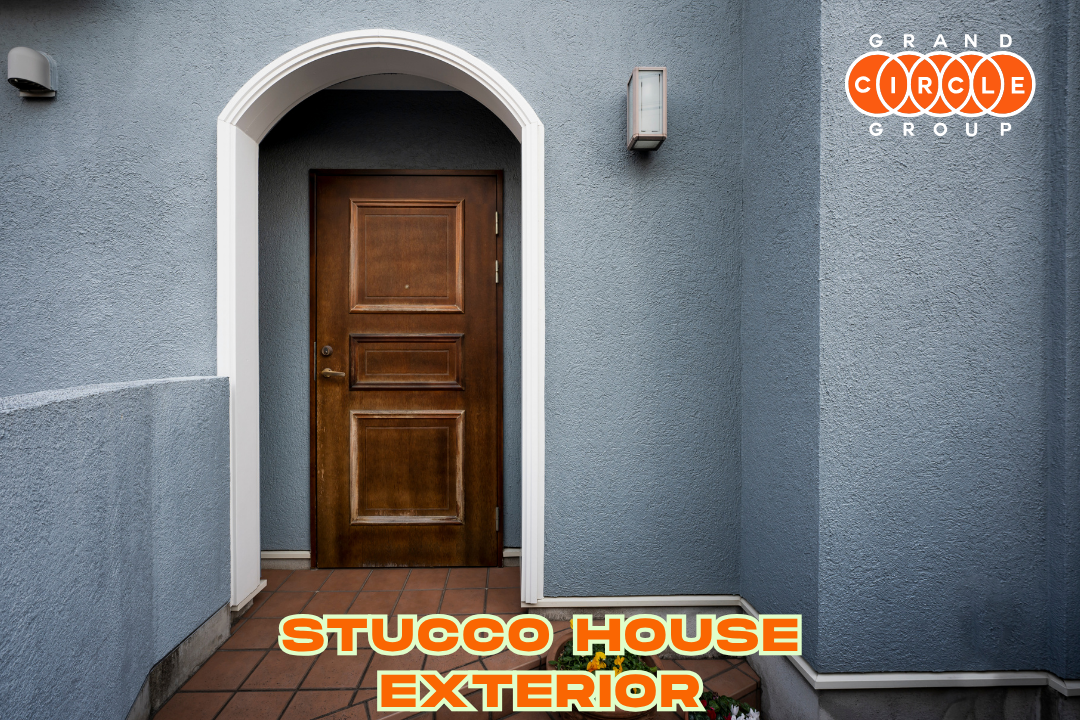
A stucco house exterior is one of the most timeless and elegant ways to enhance the look and value of your property. Across Canada, homeowners are increasingly choosing stucco because it offers a unique combination of durability, insulation, and aesthetic appeal. Whether you’re renovating an older home or finishing a new build, a stucco house exterior gives your property a clean, modern, and energy-efficient finish that lasts for decades.
One of the biggest advantages of a stucco house exterior is its ability to withstand harsh Canadian weather. From freezing winters to humid summers, stucco performs exceptionally well in all conditions. It acts as a natural insulator, keeping homes warm in the winter and cool in the summer, which helps reduce energy costs year-round. With the right installation and maintenance, a stucco house exterior can remain crack-free and vibrant for over 50 years, making it a smart long-term investment.
When it comes to aesthetics, a stucco house exterior offers endless design possibilities. It can be finished in a variety of textures—from smooth and sleek to rough and rustic—allowing homeowners to create a custom look that perfectly matches their architectural style. Stucco can also be tinted in virtually any colour, meaning you can achieve a unique and consistent finish without the need for frequent repainting. This flexibility makes a stucco house exterior an ideal choice for both modern and traditional homes.
Another major benefit of a stucco house exterior is its low maintenance requirements. Unlike vinyl siding or wood cladding, stucco doesn’t rot, warp, or fade easily. It’s resistant to mould, mildew, and pests, ensuring your home remains both beautiful and healthy. Occasional washing and small touch-ups are usually all that’s needed to maintain the surface. This makes a stucco house exterior not just attractive but also practical for busy homeowners who prefer a low-maintenance solution.
In addition to its visual appeal and durability, a stucco house exterior can significantly increase your property’s resale value. Homebuyers often associate stucco with high-end construction, which means your home can stand out in the competitive real estate market. A well-installed stucco finish gives your property an instant sense of quality and craftsmanship that is hard to match with other materials.
From an environmental perspective, a stucco house exterior is also a sustainable option. Stucco is made from natural materials like cement, lime, sand, and water, which makes it eco-friendly and recyclable. Its long lifespan reduces the need for replacements and waste, while its insulating properties contribute to better energy efficiency. For Canadian homeowners looking to make their properties greener without compromising on style, stucco is an excellent choice.
Choosing the right contractor is crucial when installing a stucco house exterior. Proper application is the key to achieving a flawless and long-lasting finish. Look for a professional stucco company with experience in local climate conditions, as the mix and technique can vary depending on temperature and humidity. High-quality workmanship ensures that your stucco house exterior remains durable, weather-resistant, and visually stunning for years to come.
If you’re planning to renovate your property, investing in a stucco house exterior can completely transform its appearance. The smooth, uniform texture creates a polished and cohesive look that enhances curb appeal instantly. Many homeowners in Canada appreciate how stucco blends seamlessly with stone, brick, or wood details, allowing for creative and modern combinations that make every home unique.
In conclusion, a stucco house exterior is more than just a design choice—it’s a practical, long-term solution that adds beauty, protection, and value to your home. With its exceptional durability, weather resistance, energy efficiency, and aesthetic versatility, stucco remains one of the most reliable exterior finishes in the Canadian construction landscape. Whether you’re in Toronto, Vancouver, or Calgary, a stucco house exterior offers the perfect balance between performance and sophistication.
Different Types of Stucco House Exterior Finishes Explained
A stucco house exterior is one of the most timeless ways to enhance the beauty and durability of your home. In Canada, stucco has become a popular exterior choice because it provides excellent insulation, weather resistance, and design flexibility. However, not all stucco finishes are created equal. Understanding the different types of stucco finishes can help you choose the best option for your home’s architecture and the local climate.
The most traditional type of stucco house exterior is the cement-based finish. This classic version is made from a mixture of Portland cement, sand, lime, and water. It is applied in several coats over a wire mesh or a solid base, creating a tough, breathable surface. Traditional stucco is known for its longevity—it can last more than 50 years with minimal maintenance. It also offers a timeless aesthetic that suits both historic and modern homes. The natural texture of this finish can range from smooth to rough, depending on your design preferences.
Another increasingly popular option is acrylic stucco, also referred to as synthetic stucco. Unlike traditional stucco, this version includes polymers and acrylic resins that add flexibility and resistance to cracking. For homeowners living in regions with frequent freeze-thaw cycles—such as Ontario, Alberta, or Quebec—acrylic stucco provides superior performance. It also holds colour exceptionally well, meaning you won’t need to repaint as often. A stucco house exterior finished with acrylic coating often appears smoother and more uniform, giving a modern, sleek appearance.
There’s also the EIFS (Exterior Insulation and Finish System) option, which combines insulation boards with multiple layers of acrylic coatings. This system offers some of the best energy efficiency in Canada, as it significantly reduces heat loss in winter and keeps interiors cooler during summer. Homeowners who prioritize sustainability and energy savings often choose EIFS for their stucco house exterior because it provides both performance and comfort.
Each of these finishes offers distinct benefits in appearance, durability, and energy performance. The choice ultimately depends on your climate, budget, and desired aesthetic. A qualified stucco contractor can assess your property and recommend whether traditional, acrylic, or EIFS is most suitable. When installed properly, any of these stucco house exterior finishes can provide decades of protection, making it one of the most practical and elegant investments you can make in your Canadian home.
The Best Materials for a Long-Lasting Stucco House Exterior
A stucco house exterior is only as strong as the materials used to create it. In the Canadian climate—where temperatures swing from freezing cold to humid heat—using premium materials is essential for long-term durability. Homeowners who invest in high-quality components enjoy decades of beauty and performance with minimal repairs.
The foundation of a durable stucco house exterior starts with the base coat, typically made from cement, lime, sand, and water. The key is to use clean, fine sand and fresh lime to ensure proper bonding and breathability. Lime adds flexibility and prevents cracking, while sand provides structure and texture. In colder regions like Manitoba or Ontario, adding polymers or fibreglass mesh into the mix strengthens the material and prevents damage caused by frost expansion.
A vital component in any stucco house exterior project is the bonding agent. This adhesive layer ensures that the stucco properly attaches to the surface beneath it, whether it’s brick, concrete, or wood sheathing. Using a high-quality, weather-resistant bonding agent helps prevent separation, which can lead to moisture intrusion—a common problem in older homes.
The finish coat is what gives a stucco house exterior its distinctive look. Acrylic and silicone-based finishes have gained popularity in recent years because of their ability to resist water, UV damage, and fading. They also allow for a broader colour range and smoother textures. Traditional cement-based finishes, while more porous, can still perform well if sealed correctly with a breathable waterproof coating.
Finally, drainage systems and sealants play a key role in longevity. A properly installed stucco house exterior includes a moisture barrier and weep screeds to allow trapped water to escape. This prevents mould and delamination, ensuring the stucco remains strong for decades. Investing in quality materials from the start—along with professional installation—can make the difference between a finish that cracks in five years and one that lasts fifty.
In short, the best materials for a stucco house exterior are those designed to handle the demands of the Canadian environment. When selected and applied correctly, they provide lasting protection, energy efficiency, and timeless curb appeal that enhances your home’s value.
How to Maintain and Repair Your Stucco House Exterior
Maintaining a stucco house exterior is the key to keeping your home both beautiful and weather-resistant for decades. While stucco is known for its strength and low maintenance, Canada’s climate—especially heavy rain, snow, and freeze-thaw cycles—can still take a toll over time. With a few proactive habits, you can prevent costly repairs and extend the lifespan of your stucco surface.
Regular inspections are essential. Twice a year, walk around your home and check your stucco house exterior for cracks, chips, or discolouration. Hairline cracks are normal and can be easily repaired with an elastomeric caulk or patching compound. However, larger cracks may indicate water infiltration or structural movement, which require professional assessment.
Cleaning your stucco house exterior helps maintain its colour and prevents the buildup of dirt, mould, and algae. Use a soft-bristle brush or low-pressure washer to remove grime, but avoid high-pressure jets that can damage the surface. For stubborn stains, a mild detergent or vinegar-water solution works well without harming the finish.
Every few years, consider applying a fresh coat of breathable sealant. This helps protect your stucco house exterior from water absorption and keeps the surface looking fresh. Avoid non-breathable paints or coatings, as they can trap moisture underneath, leading to blistering or cracks.
For repairs, timing is crucial. If you notice areas where the stucco feels soft, bulging, or damp, it’s important to address the issue quickly. Moisture trapped behind stucco can cause rot, especially around windows and doors. Professional contractors can remove damaged sections, repair the substrate, and apply new stucco that blends seamlessly with the existing finish.
With consistent maintenance and occasional touch-ups, a stucco house exterior can remain in excellent condition for 50 years or more. Taking the time to care for your stucco not only preserves its beauty but also ensures that it continues to protect your home through every Canadian season.
Common Stucco House Exterior Problems and How to Fix Them
A stucco house exterior is durable, but like any building material, it can develop problems over time—especially in Canada’s challenging climate. Understanding the most common issues and how to fix them can help you keep your home in top shape while avoiding costly damage.
The most frequent issue with a stucco house exterior is cracking. Small hairline cracks are often caused by natural settling or minor temperature changes. These are usually cosmetic and can be sealed with flexible caulking or a patching compound. However, larger cracks may point to deeper issues like poor installation, structural shifts, or water infiltration.
Moisture damage is another concern. When water gets trapped behind stucco, it can lead to bubbling, mould, or soft spots. This often happens due to missing flashing, poor sealing around windows, or inadequate drainage. The best fix involves removing the affected section, repairing the underlying material, and reapplying stucco with proper waterproofing and weep screeds to allow moisture to escape.
Discolouration and staining are also common, especially in humid or coastal areas. Dirt, algae, and mineral deposits can dull the appearance of your stucco house exterior. Regular cleaning with mild soap or vinegar solution can restore its look. For deeper stains, a professional cleaning service may use safe, low-pressure washing techniques.
Another issue is “delamination,” where the stucco starts to separate from the substrate. This typically results from poor bonding during installation or water infiltration. The affected area must be cut out and replaced with new material to prevent spreading.
Preventive maintenance is always the best approach. Regular inspections, sealing cracks, and ensuring proper drainage around your foundation can stop these issues before they start. When cared for properly, a stucco house exterior can endure Canada’s extreme temperatures, providing both beauty and durability for generations.
How a Stucco House Exterior Helps Improve Energy Efficiency
A stucco house exterior offers much more than a stylish and timeless look — it also plays a major role in improving a home’s energy efficiency. Across Canada, where temperatures can swing from sub-zero winters to humid summers, maintaining indoor comfort without skyrocketing energy bills is a real challenge. Stucco, with its natural insulating properties and tight seal, provides an effective solution for homeowners looking to reduce energy consumption while keeping their homes comfortable year-round.
One of the key reasons a stucco house exterior improves energy efficiency is its layered construction. Traditional stucco is applied in three coats — scratch, brown, and finish — over a wire mesh or foam insulation board. These layers create a thick, dense shell that acts as a thermal barrier. This means less heat escapes during the winter and less heat enters during the summer, helping to stabilize indoor temperatures naturally.
In Canada’s cold climate zones, homeowners often struggle with heat loss through poorly insulated walls. A stucco house exterior, especially when applied over an insulated sheathing system such as EIFS (Exterior Insulation and Finish System), drastically reduces thermal bridging. EIFS incorporates rigid insulation panels beneath the stucco, providing an added layer of protection that can increase your home’s R-value — a measure of thermal resistance — by up to 30%. This makes it one of the most energy-efficient wall systems available for residential properties.
Moisture resistance also contributes to energy performance. When installed correctly, a stucco house exterior forms a seamless surface that minimizes air leaks and prevents water infiltration. Reducing drafts means your heating and cooling systems don’t have to work as hard to maintain a steady indoor temperature. Over time, this leads to noticeable savings on energy bills, especially during harsh Canadian winters.
Another advantage is the thermal mass of stucco. The dense material absorbs heat during the day and releases it slowly at night. In places like Ontario and British Columbia, where day-night temperature swings are common, this “thermal lag” effect helps maintain more consistent indoor temperatures. Homes with a stucco house exterior often feel warmer in winter mornings and cooler on summer evenings, reducing the need for constant HVAC adjustments.
Stucco’s energy-saving potential extends beyond performance — it’s also an environmentally friendly option. The materials used in a stucco house exterior are primarily natural: cement, sand, lime, and water. These components have a low environmental impact compared to synthetic claddings, and stucco’s long lifespan reduces the frequency of repairs and replacements, further minimizing waste.
For homeowners in provinces with high energy costs, investing in a stucco house exterior is a smart financial decision. When paired with proper wall insulation and energy-efficient windows, it can significantly reduce heating and cooling expenses. Some Canadian municipalities even offer energy efficiency rebates for home upgrades that include improved insulation and building envelope performance — something a stucco system directly enhances.
In conclusion, a stucco house exterior doesn’t just beautify your home; it works as a natural energy regulator. Its ability to insulate, seal, and protect against harsh weather makes it a top choice for energy-conscious homeowners across Canada. By combining traditional craftsmanship with modern materials like EIFS, stucco continues to prove why it remains one of the most practical and sustainable exterior finishes available today.
Stucco House Exterior vs Stone Veneer: Durability and Cost Compared
Choosing between a stucco house exterior and stone veneer is a common decision for Canadian homeowners looking to renovate or build a new property. Both materials offer beauty and strength, but they differ in cost, durability, and maintenance. Understanding these differences can help you select the best option for your home’s long-term performance and budget.
When it comes to durability, a stucco house exterior is built to withstand the extreme Canadian climate. Traditional stucco is composed of cement, lime, sand, and water — creating a dense, solid surface that can last 50 years or more with proper maintenance. It’s resistant to fire, rot, mould, and pests. Stucco also performs exceptionally well in various weather conditions, expanding and contracting slightly with temperature changes. Modern acrylic stucco and EIFS systems add even more flexibility, helping to prevent cracking in regions with frequent freeze-thaw cycles, such as Ontario and Alberta.
Stone veneer, on the other hand, is also durable but behaves differently. It’s made from either natural stone or lightweight manufactured stone panels adhered to a substrate. While stone veneer is highly resistant to impact and provides a luxurious aesthetic, it can be more prone to water infiltration if not installed with proper drainage and flashing. In areas where snow and ice accumulation are common, trapped moisture behind the veneer can cause damage over time.
In terms of maintenance, a stucco house exterior requires less attention. Occasional washing and minor crack repairs are usually all that’s needed to keep it looking new. Stone veneer, while tough, often needs re-grouting or sealing to prevent water from penetrating joints. Over time, mortar lines can deteriorate, especially in coastal or humid regions like British Columbia.
Cost is another key factor. On average, a stucco house exterior costs between $12 to $18 per square foot in Canada, depending on the finish type and region. Stone veneer, by contrast, typically ranges from $25 to $40 per square foot, with natural stone being on the higher end. That means stucco can deliver a high-end look for nearly half the price of stone veneer — a major advantage for homeowners working within a budget.
Aesthetically, both materials offer unique appeal. A stucco house exterior provides versatility with endless colour and texture options — smooth, coarse, or patterned finishes that suit both modern and traditional architecture. Stone veneer exudes a classic, rustic charm but offers fewer design variations. Many Canadian homeowners choose to combine both — using stucco as the main cladding and stone veneer for accents, such as around entryways or columns, achieving the perfect balance of style and cost efficiency.
From an energy efficiency standpoint, stucco has another edge. A stucco house exterior, particularly when paired with an insulated EIFS system, reduces heat loss and air leakage, improving your home’s thermal performance. Stone veneer, while strong, doesn’t inherently provide insulation and usually relies on the underlying wall system to manage heat flow.
In summary, both stucco and stone veneer are beautiful and durable exterior materials, but they cater to different priorities. If you’re seeking a cost-effective, energy-efficient, and low-maintenance solution, a stucco house exterior is the better choice for most Canadian homes. If your goal is to achieve a premium, natural look and you’re willing to invest more in installation and upkeep, stone veneer might be ideal for accent areas. Either way, when properly installed by skilled professionals, both options can add value and curb appeal to your home for decades.


